
A 1913 gesture became a founding story
According to Chanel’s heritage narrative, the story begins in 1913 when Gabrielle Chanel pinned a white camellia to her belt. The house emphasizes the flower’s simplicity, purity, graphic shape and winter vitality. Those qualities align with the language she was building: legible lines, strong contrasts and elegance freed from demonstrative ornament. The date is a landmark preserved by the house, not proof that one gesture instantly created the full symbol. Emblems form through repetition, transformation and memory.
A flower borrowed from the dandy’s wardrobe
Chanel also connects the camellia with masculine buttonhole style, describing a scentless, thornless flower plucked from a dandy’s jacket. The borrowing matters. Gabrielle Chanel selected not only a delicate plant but a sign already worn by men concerned with elegance. Moving it into womenswear challenged the period’s gendered wardrobe. Rue Cambon and the origins of Chanel places that gesture within a Paris where boutique, salon and social life reinforced one another.
Why the absence of fragrance matters
A rose carries an intense olfactory mythology. Chanel presents the camellia as a flower without scent, leaving form to dominate: orderly petals, rounded volume and white against black. The motif can be flattened, embroidered, sculpted or translated into jewelry without losing its identity. It also avoids competing directly with N°5. The camellia became a mobile image, able to inhabit several house métiers while remaining immediately recognizable.
A flexible geometry
The flower combines order with nature. Its petals form an almost architectural composition, while their curves prevent rigidity. The balance echoes other Chanel codes: the square N°5 bottle, the fluidity of jersey and structural black illuminated by white. How a Chanel icon is made shows that the house never depends on one sign alone. It builds a network of simple forms that reinforce one another and remain legible without a written name.
From couture to high jewelry
The camellia gradually moved through clothing, accessories, jewelry and decoration. Chanel now counts it among six enduring high-jewelry motifs, alongside the lion, number 5, comet, ribbon and feather. Each métier solves a different challenge: giving fabric floral relief, making metal appear supple or moving light among petals. Continuity therefore does not mean identical repetition. The emblem survives because artisans can reinterpret it through new materials and techniques.
The house extends the symbol
Today the camellia belongs to a brand narrative far wider than Gabrielle Chanel’s wardrobe. The house cultivates selected varieties, studies them for skincare and uses them in contemporary collections. These developments should be distinguished from the founder’s historical practice. Chanel’s official pages are valuable records of internal memory and also instruments of communication. A clear reading holds both truths together: the designer’s favored flower and a heritage actively organized by the company that outlived her.
A symbol is not a complete biography
Emblems encourage stories that feel too perfect. One flower cannot summarize a whole personality or every intention behind a collection. Archives can document appearances; they do not make every camellia a secret confession. The geometry behind the N°5 bottle calls for similar caution. Visual resemblance may support interpretation without proving one exclusive origin. House culture becomes more compelling when travelers distinguish what is documented, what is transmitted and what is continually reinvented.
B2B guidance: teach guests to read rather than collect
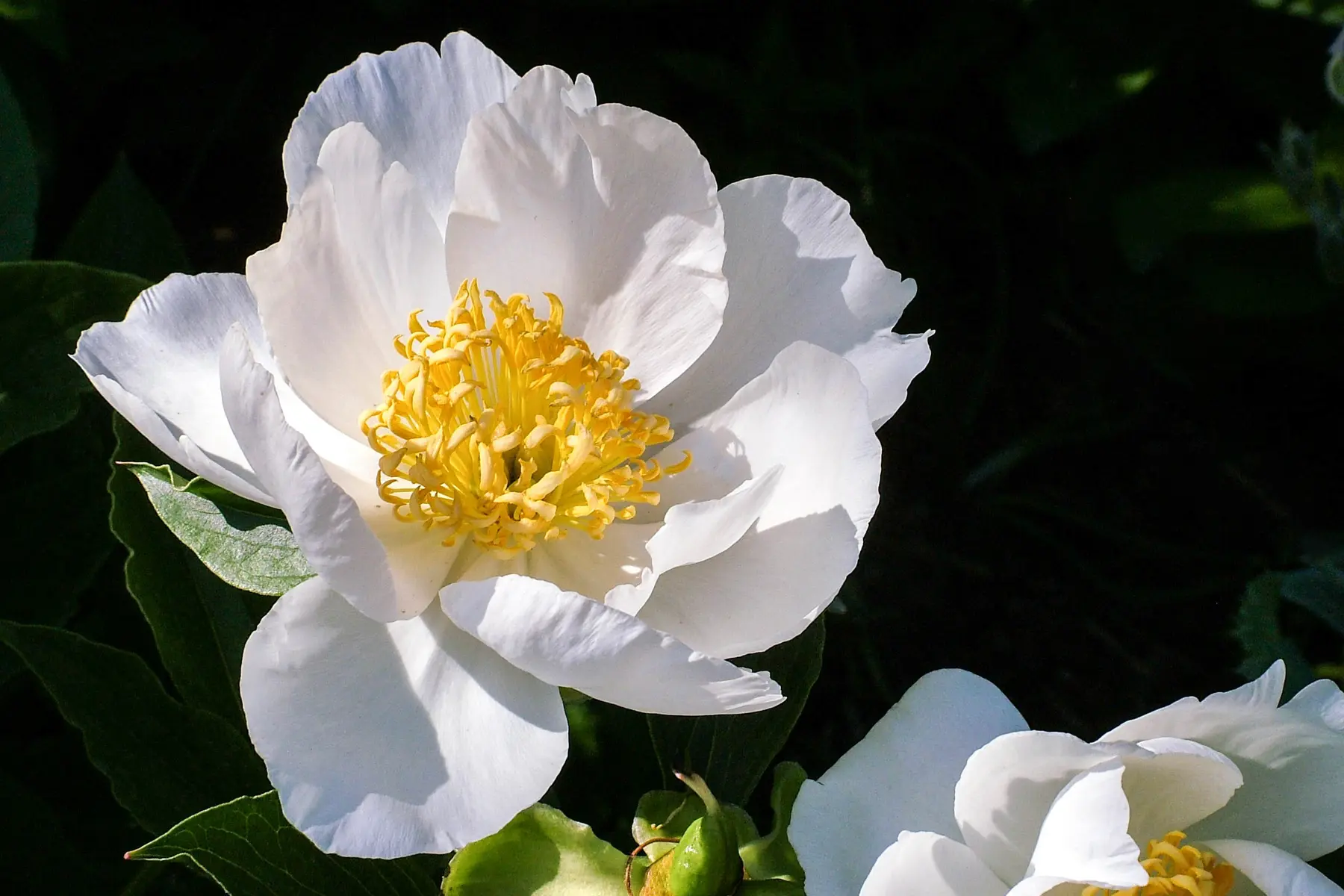
For international advisors, the camellia offers a memorable visual key before an exploration of Paris fashion. The Elyrea Coco Chanel Encounter can use it to open conversation about masculine and feminine codes, restraint and luxury, personal gesture and house strategy. The photograph published here shows an actual camellia; it does not claim to document a Chanel object. Guests can study the flower’s structure, then recognize how couture and jewelry turn nature into language.
FOR YOUR GUEST ITINERARIES
With Elyrea, follow Gabrielle Chanel’s camellia through masculine style, graphic form and the living heritage of Rue Cambon.
Discuss your itinerary