
A line more polished than precise
The claim that Ernest Hemingway “liberated the Ritz” creates an instant movie scene: an armed writer, a jeep, Place Vendôme and champagne. It endures because it compresses the liberation of a capital into one individual gesture. Historically, that compression misleads. On August 25, 1944, General Leclerc’s French 2nd Armored Division and Resistance forces played central roles in retaking Paris, supported by Allied power. Hemingway did enter the city that day and went to the Ritz, but he neither commanded the battle nor forced the German surrender. The useful story lies in the distance between an event and a brilliant self-portrait.
A war correspondent, not the liberating officer
Hemingway was covering the war for Collier’s. He traveled near American units, cultivated Resistance contacts and sometimes behaved far more like a combatant than his civilian accreditation allowed. Accounts place him armed, impatient to reach Paris and willing to perform command. His conduct later prompted questions about the rules governing correspondents. None of this makes his group the force assigned to liberate a hotel. Why did Hemingway move to Paris? sharpens the contrast between the financially constrained young writer of the 1920s and the martial celebrity who returned in 1944.
What can be established on August 25
Sources converge on a reliable core. Hemingway reached Paris on August 25, made his way to the Ritz and spent the evening there with companions. By the time he arrived, German occupants had already left the property. The building was not therefore seized after a firefight led by the writer. Some retellings have him searching the rooms before settling at the bar; others emphasize dinner and bottles. His presence at the hotel is not the problem. The description of that presence is: a dramatic arrival and celebration are defensible, while a decisive military liberation is not.
The 51 martinis belong to folklore
Many versions add an order for fifty-one dry martinis; others give a different total. The changing number is a warning against treating the flourish as an inventory. It works as a narrative signature—alcohol, bravado, fellowship and excess—and fits the public persona Hemingway cultivated. Historical reading need not sneer at the anecdote or repeat it as a police report. It can classify the detail as folklore and ask why audiences want it to be true. Hemingway’s Montparnasse cafés likewise shows that social venues matter to his Paris, but belong to distinct moments and forms of memory.
Why the Ritz mattered to Hemingway
The Ritz did not suddenly enter Hemingway’s world in 1944. The hotel and its bars had belonged to his Parisian imagination since the interwar years, even though his lean early life unfolded mainly on the Left Bank. Today the hotel preserves this association through Bar Hemingway and recalls his friendships with bartenders and evenings involving Fitzgerald. That institutional memory is valuable evidence of a long relationship between writer and place. It is also living brand heritage. Advisors should read it as a contemporary act of remembrance, not as independent proof for every wartime anecdote attached to the building.
A legend that reveals his narrative method
The Ritz episode sounds like Hemingway’s fiction: compressed action, a precise setting, danger, drink and a final line easy to remember. Its force comes not only from what happened but from selection and arrangement. The correspondent becomes a character in his own chronicle. Recognizing that construction does not cancel his courage or proximity to battle. It distinguishes testimony, memory and masculine performance. The Paris of the Lost Generation offers a similar lesson: real biographies and real venues become a larger mythology through repeated storytelling.
Remembering the liberation without displacing its actors
Celebrity-centered history can push soldiers, Resistance members and civilians out of their own event. Leclerc, the French 2nd Armored Division, Parisian networks and Allied forces should not become scenery for a bar joke. Placing Hemingway accurately makes the history richer. He appears as a committed, sometimes unruly observer entering a city liberated by collective action. The Ritz can still open the subject, but the conversation must move from the magnetic anecdote to chronology, power and the people who carried the struggle.
B2B guidance: let guests investigate
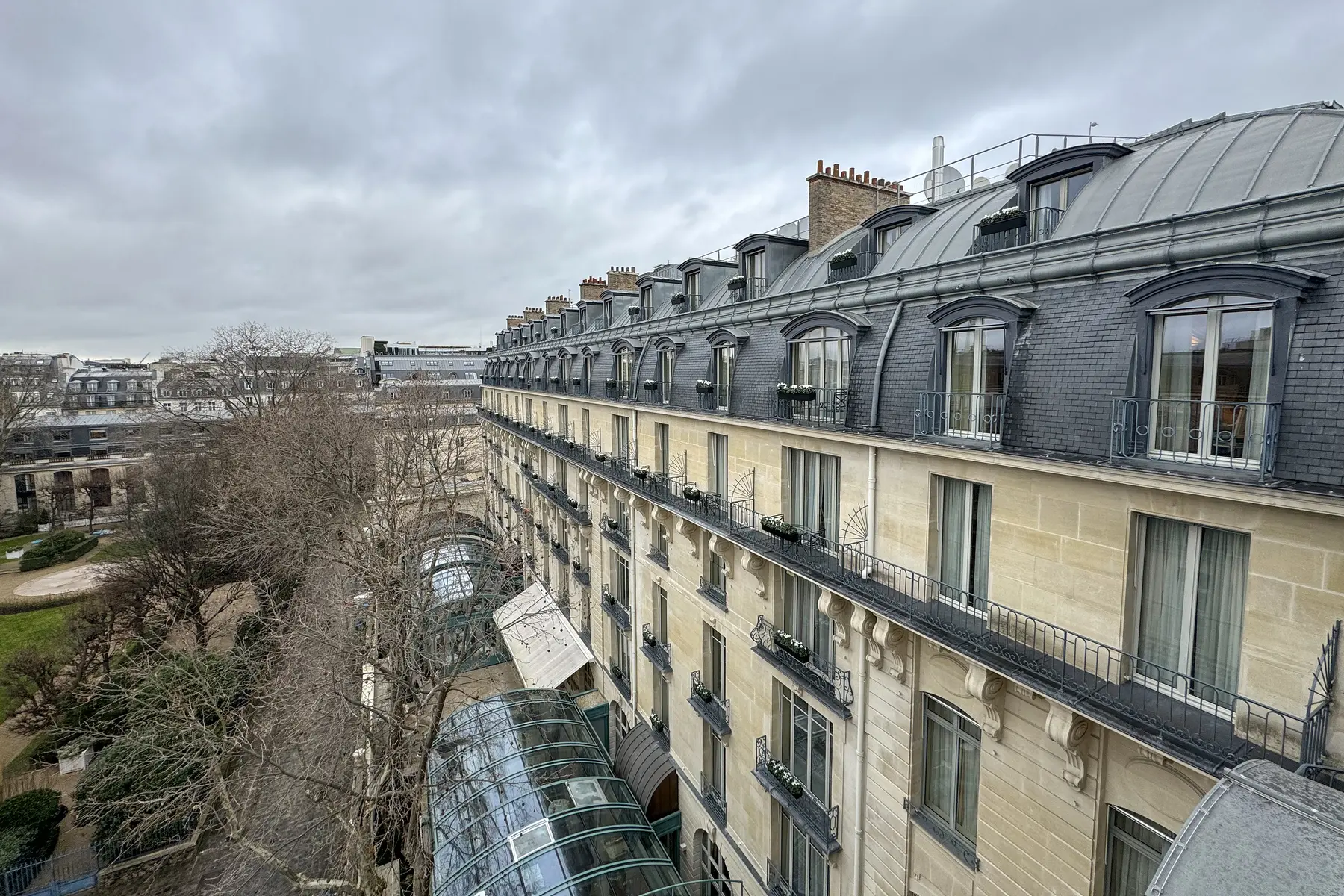
For international advisors, “Did he really liberate the Ritz?” is a high-value discussion prompt. The Elyrea Ernest Hemingway Encounter can ask guests to compare versions, map the relevant places and notice what each narrator adds. The published photograph shows the hotel’s present façade; it does not claim to reconstruct Place Vendôme in August 1944. That candor turns a famous anecdote into an exercise in historical literacy for travelers who want more than a literary pilgrimage.
FOR YOUR GUEST ITINERARIES
With Elyrea, explore Hemingway’s Paris while separating the war correspondent’s experience from the legend he left behind.
Discuss your itinerary