
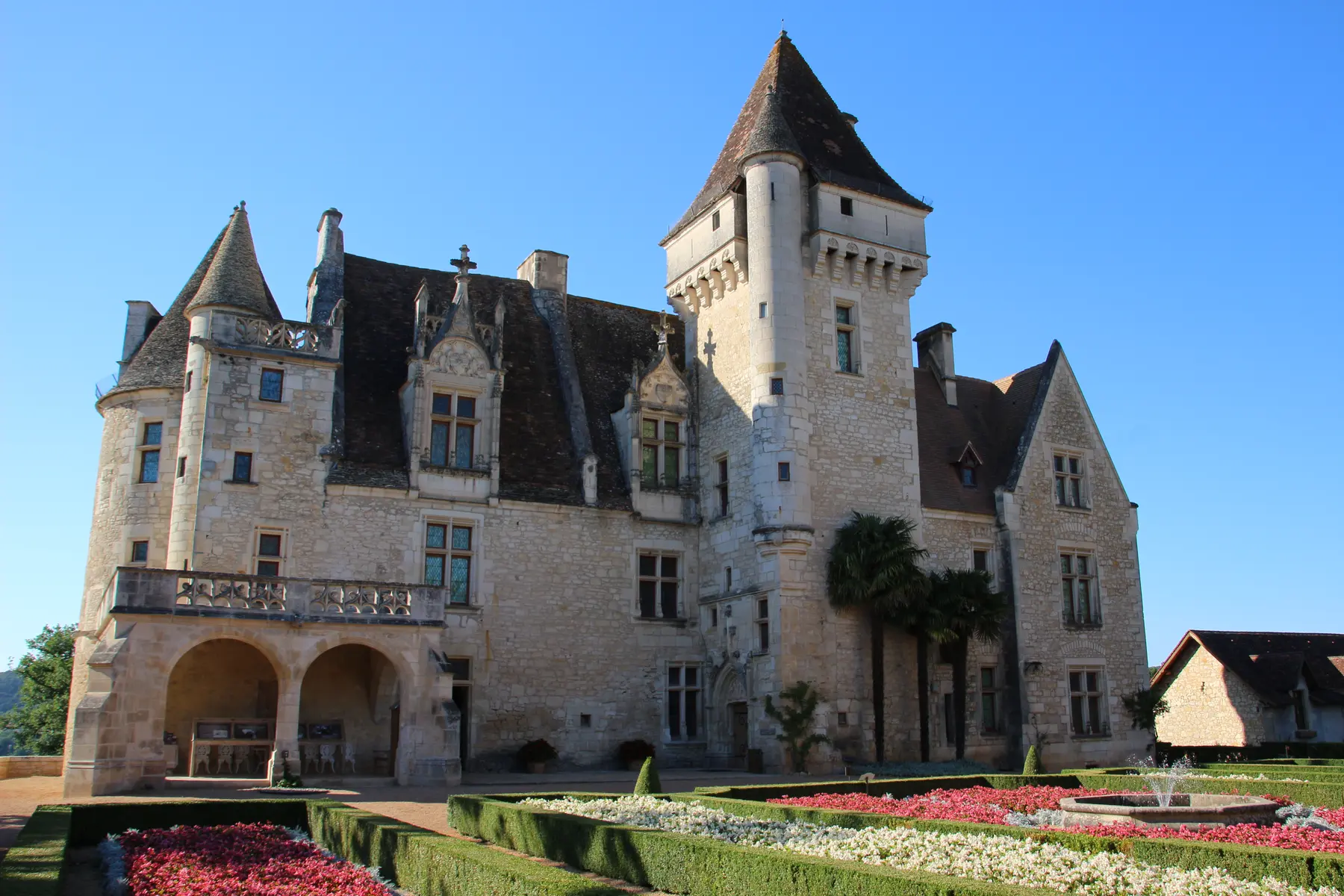
A château became a social project
Josephine Baker did not treat Les Milandes as a celebrity retreat. With bandleader Jo Bouillon, whom she married in the estate chapel in 1947, she imagined a Global Village and a capital of universal fraternity. The project would demonstrate that people of different nationalities and religions could live together. After American segregation, Parisian fame, wartime service and antiracist activism, Baker wanted to give her ideal a visible form. The château became home, school, attraction and manifesto. That overlap explains both the undertaking’s emotional power and many of its tensions.
Twelve adopted children from the mid-1950s
The official Les Milandes history dates the adoptions from the mid-1950s. The family gradually grew to twelve children from several countries and associated with different religious traditions. Baker called them her Rainbow Tribe. Their diversity should not be flattened into a picturesque list. Each child had an individual history, while the composition of the group also served the symbolic design of their mother. Why did Josephine Baker enter the Panthéon? places this ambition within the many layers of her French public memory.
Making fraternity visible in everyday life
Baker wanted to do more than deliver speeches against racism. She sought to show a family in which difference did not prevent affection or solidarity. Les Milandes became a social experiment on an extraordinary scale. The children attended school in Castelnaud and also received instruction at the château connected with the culture of their country of origin. That effort does not remove contemporary questions about identities assigned by adults. It does show a specific purpose: daily education would serve as evidence that fraternity could be built rather than merely proclaimed.
A family displayed to visitors
The estate developed into a tourist complex intended to finance the project. Visitors came to see the château, its facilities, animals and the organized life surrounding the family. Public exposure carried the antiracist message and generated revenue, but it blurred the line between private home and social demonstration. The children were both family members and figures in a story designed by Josephine Baker. A responsible account must therefore hold the project’s generosity together with questions about children being displayed as symbols before they could meaningfully consent.
From popular attraction to heavy debt
Early success did not make the enterprise financially secure. The complex was expensive, ambitions expanded and management weakened. The official château history refers to overspending, dishonest contractors and increasingly serious debt. Jo Bouillon eventually left, while Baker continued fighting for her Global Village. The estate was put up for auction in the 1960s and ultimately slipped from her control. Josephine Baker and the Resistance reveals the same persistence elsewhere in her life: a heroic quality that could also make retreat almost impossible.
Re-reading the ideal through the children’s voices
For years, the story was largely framed by the star and by media fascinated with her utopia. Later testimony from the children complicated the picture. Affection, remarkable experiences and openness to the world existed alongside discipline, parental absence, public staging and personal pain. Listening to these voices does not destroy the antiracist ideal. It prevents the children from becoming abstract evidence. The Rainbow Tribe can then be studied as a real family experiment, with relationships and consequences, rather than a perfect publicity image.
From Les Milandes to national memory
The family project extends Baker’s other commitments: service to the Resistance, French citizenship, civil rights campaigning and her appearance at the 1963 March on Washington. Les Milandes joined intimate life to political ambition. When France honored her at the Panthéon in 2021, universal fraternity helped explain the larger meaning of her journey. Discover Paris with Josephine Baker follows how an American-born performer became part of French civic memory without reducing her to a single role.
B2B guidance: present the utopia and its tensions
For international advisors, Les Milandes provides a powerful extension to a Paris exploration of Josephine Baker. The Elyrea Josephine Baker Encounter can introduce her commitments before a broader itinerary turns toward Dordogne. The published image shows the château today, not the family’s private life. The strongest question is not whether the utopia was simply good or bad, but how an artist turned home and motherhood into a political manifesto. The answer should preserve its generosity while acknowledging financial cost, power and the memories of the children.
FOR YOUR GUEST ITINERARIES
With Elyrea, connect Josephine Baker’s antiracist commitment with her family project at Les Milandes without erasing its contradictions.
Discuss your itinerary