
1516: a departure more practical than romantic
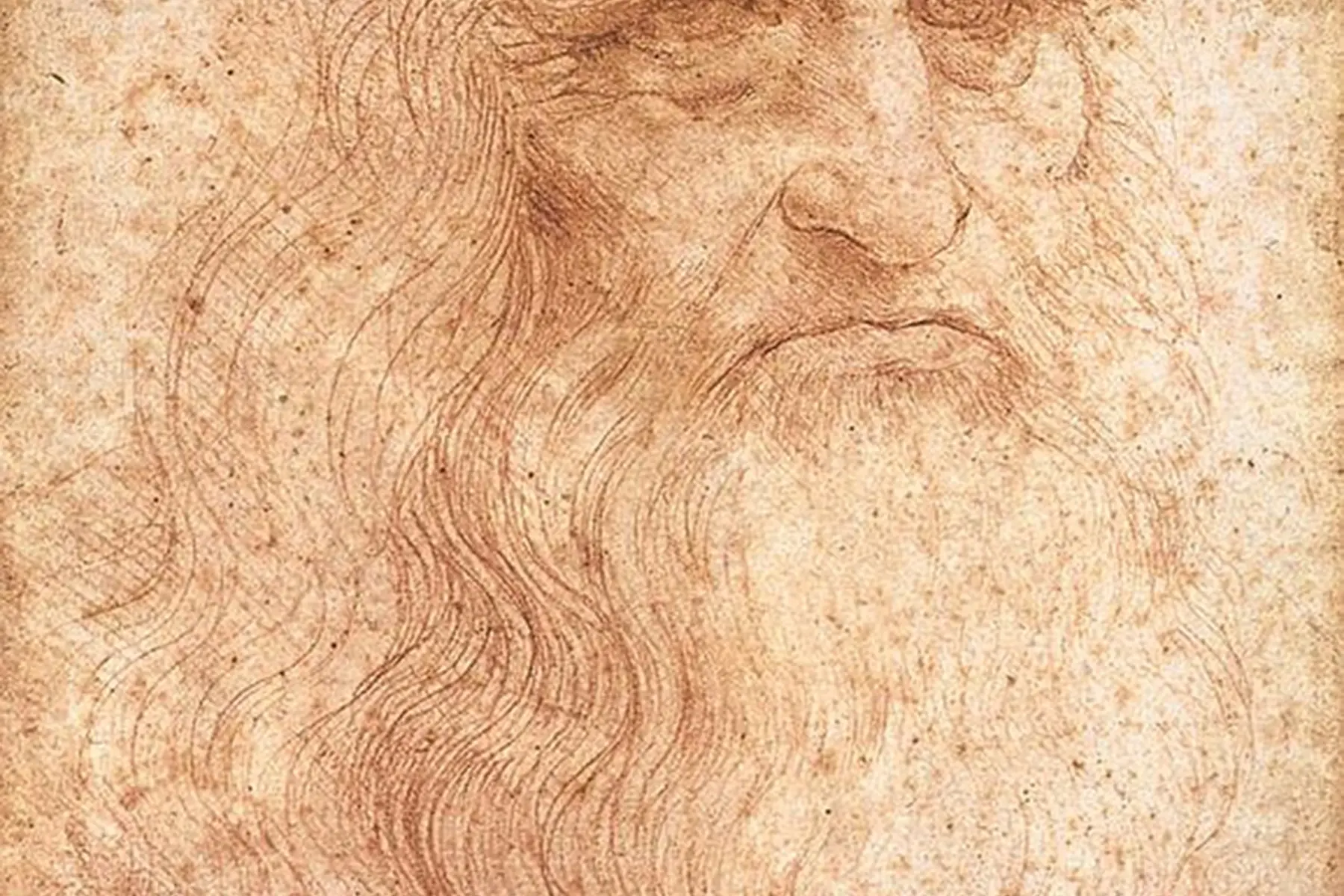
In the fall of 1516, Leonardo da Vinci crossed the Alps and traveled to Amboise. He was about sixty-four, famous across Europe and experienced in the courts of Florence, Milan and Rome. The death of his patron Giuliano de’ Medici the previous year had weakened his position in Italy, while the French court offered security, income and room to work. The invitation came from Francis I and the king’s mother, Louise of Savoy. Leonardo’s journey was therefore neither a picturesque escape nor simple retirement. It was a considered decision by an aging master who found a form of patronage suited to the final stage of his career.
The Clos Lucé placed him near royal power
Leonardo was given the Château du Clos Lucé, then known as the Manoir du Cloux. It stood close to the royal château at Amboise, offering access to court without requiring the daily constraints of palace life. He arrived with close associates Francesco Melzi and Battista de Villanis. He also brought paintings that remained central to his practice, including the Mona Lisa. That fact matters because Leonardo did not travel as a thinker detached from physical work. He moved with an active studio, paintings that could still receive attention and the professional memory of several decades. The residence became both home and working environment rather than a ceremonial reward alone.
A French title broad enough for Leonardo
Francis I named him First Painter, Engineer and Architect to the King. The title gathers abilities that modern professional categories often separate. Leonardo could consider court entertainments, mechanical devices, urban planning and architecture while continuing graphic and pictorial work. It does not mean that every proposal attributed to him was built or that he alone directed the kingdom’s major projects. It does reveal the unusual intellectual standing he received. At Amboise, his importance depended as much on the ability to imagine systems as on the delivery of finished objects. French patronage valued the range of his mind at a moment when physical limitations may have constrained his hand.
Three paintings and a powerful national story
The Clos Lucé’s official history states that Leonardo brought three paintings, among them the Mona Lisa. Their presence in France later supported a compelling story about artistic transmission between Italy and the French monarchy. The episode should not be reduced to Francis I immediately receiving a set of completed masterpieces. Leonardo often kept paintings with him for years and could continue revising them. The movement of an artist therefore meant the movement of a material studio as well. When designing a high-end cultural experience around a landmark, this connection among object, patron, place and circulating knowledge creates a more durable narrative than fame alone.
Francis I: documented proximity and an enduring legend
The bond between the young king and the older master was real, but its most attractive images require care. One tradition claims that an underground passage allowed Francis I to visit Leonardo every day. The Clos Lucé explicitly identifies that story as legend. Geographic proximity makes meetings credible, and royal protection is documented; the daily frequency and habitual use of a tunnel do not possess the same evidentiary status. Keeping those levels distinct makes the story stronger rather than weaker. It shows how later admiration transformed a court relationship into an almost domestic friendship and how heritage sites can interpret affection without presenting every cherished detail as established fact.
Amboise as a laboratory for the final years
The Clos Lucé now evokes a man whose right hand was diminished but whose intellectual activity remained wide-ranging. Drawings, notes and projects reveal sustained attention to water, movement, architecture and machines. Some plans are connected with royal ambitions at Romorantin, though not every proposal should be presented as a completed commission. The larger point is that France received more than a celebrated painter. It received a method built on observation and movement between art and technology. A similar sensitivity to the creative environment strengthens an authored Monet day in Giverny, where the place of living and working also helps explain how an artist developed ideas.
Death at the Clos Lucé and the making of an image
Leonardo died at the Clos Lucé on May 2, 1519. Later generations repeatedly pictured Francis I holding him as he died, especially in nineteenth-century history painting. That scene should not be treated as documentary evidence. It expresses a symbolic transfer of Italian genius to France and casts the monarchy as the guardian of the arts. A careful account separates the documented death at the Clos Lucé from the emotional image created centuries afterward. The same discipline applies when Marie Antoinette is interpreted at Versailles: images of memory reveal the needs of the period that made them, not necessarily the event they claim to record.
B2B guidance: make the place an interpretive key
For travel advisors, Amboise offers a way to avoid an encyclopedic biography. One question can organize the encounter: why did an artist of Leonardo’s stature choose to spend his final three years near the French court? The Elyrea Encounter devoted to Leonardo da Vinci can connect patronage, artistic mobility, the movement of paintings and the growth of legend. Advisors should promise neither unconfirmed exclusive access nor a reconstruction described as an untouched original interior. Premium value comes from exact interpretation, thoughtful pacing and the ability to show how a short residence permanently altered a country’s cultural geography.
FOR YOUR GUEST ITINERARIES
Designing a private Loire Valley journey? Elyrea can place this story within an Encounter devoted to Leonardo da Vinci.
Discuss your itinerary