
Identify the kind of enthusiast
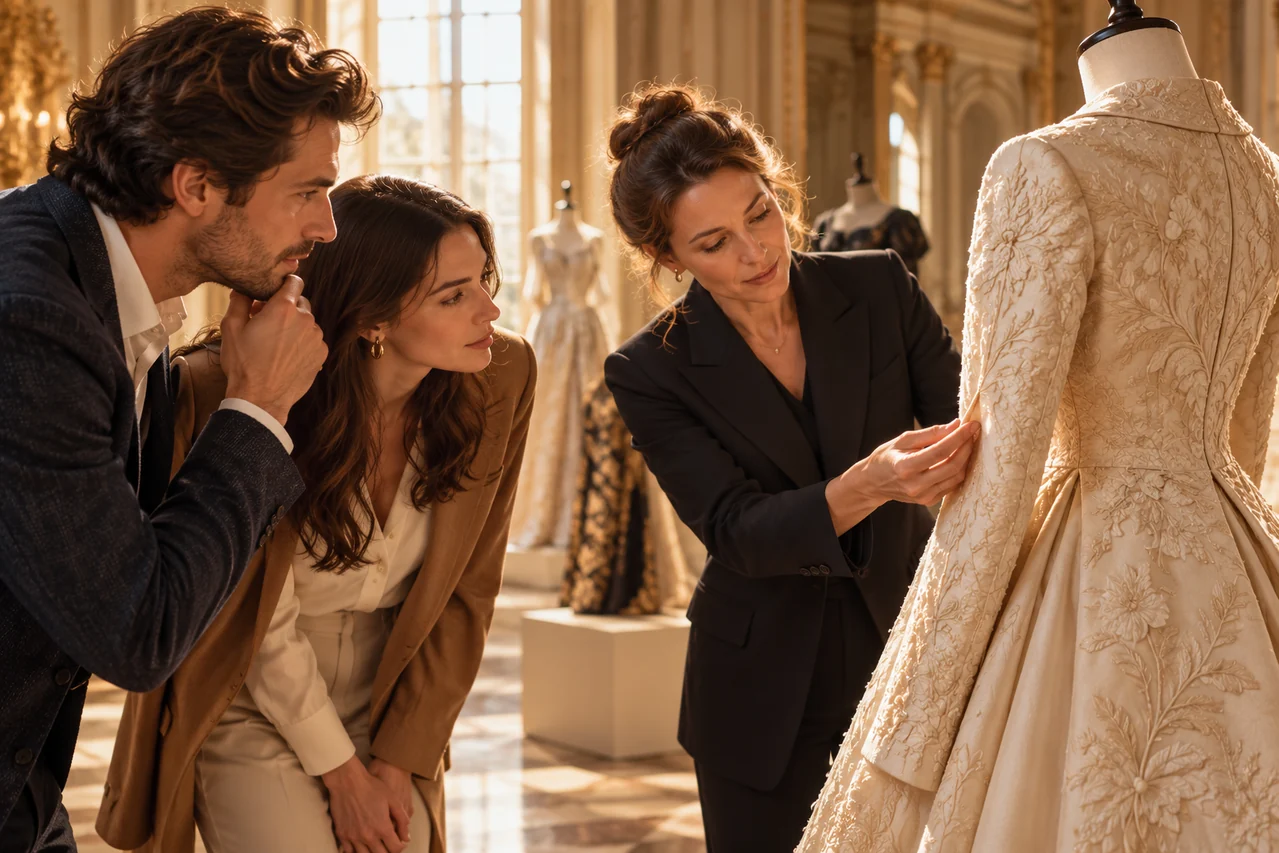
A designer, a collector and a traveler who enjoys shopping may all say they love fashion while seeking different things. Ask whether the guest is most interested in materials, historical collections, a founder's life or the operation of a house. This distinction should determine the depth of explanation and the surrounding itinerary. It also helps accommodate companions: fashion can open social and cultural history for someone less interested in clothing, provided the program is not limited to retail appointments.
Start with Gabrielle rather than a purchase
The Chanel Mystery in Paris begins from the relationship between a recognizable identity and a complex person. It offers a narrative entry into creation, reputation and the city. The Chanel Encounter's central questions explain why this can give guests a useful perspective before they browse. The cultural sequence does not require rejecting shopping; it gives any later encounter with objects more meaning. A person and a story can hold a day together more effectively than a list of boutiques.
Make the geography intelligible
Rue Cambon connects the house with places of work and presentation, while the nearby Ritz brings social and personal dimensions into view. The Encounter ends at Place Vendôme, in front of the Vendôme Column. That conclusion lets the guest see fashion within a wider landscape of jewelry, hotels and older monumental history. The program should not imply that walking past an address includes access to its ateliers or private interiors. The geographical relationship itself is a valuable cultural subject.
Let Dior change the perspective
Christian Dior's first collection in 1947 belongs to a different historical moment from Chanel's early development. The New Look introduces questions about the postwar body, material abundance and a constructed silhouette. Comparing Chanel and Dior supplies a reason for a second fashion chapter beyond brand recognition. The guest can examine two responses to elegance rather than hear each house praised in identical language. The difference makes the program feel progressive instead of repetitive.
Bring attention back to making
Cutting, fitting, embroidery and other skills explain how a garment becomes more than a drawing. A true enthusiast may be more interested in these processes than in logos. Cultural collections or suitable exhibitions can support that dimension when confirmed for the actual visit; private workshop access should not be invented. Discussing making also includes collective labor in a field often remembered through single celebrated names. It helps guests look more carefully at proportion, construction and the apparent effortlessness of finished clothing.
Use earlier fashion history selectively
Marie-Antoinette and Rose Bertin can extend the story toward eighteenth-century court culture, where appearance had a different political and social role. Their world should not be described as modern couture simply set in an earlier period. A broader itinerary can use the contrast to show how systems of influence change. The point is not to include every famous figure associated with dress, but to answer a specific question about status, public image or the relationship between fashion and its audience.
Leave time for the guest's own curiosity
Enthusiasts may want to linger at a display, return to an address or browse independently. An overfilled luxury day removes that freedom. Advisors should protect some unprogrammed time and confirm any planned visits separately. The cultural chapters can guide attention without dictating every moment. Recognizing Chanel's codes offers a useful continuation for independent observation, helping guests see how objects carry history while allowing their own preferences to determine which details deserve more time.
End with a conversation about elegance
At the end of a thoughtful couture day, guests may have several answers to what Parisian elegance means. Chanel and Dior reveal different relationships with movement, silhouette and historical change, while making exposes the labor behind both. That plurality is a stronger result than declaring one house the definitive expression of France. For professionals, the conversation can become more specialized; for mixed-interest groups, it can remain grounded in the city and society. The itinerary's coherence should follow the guest's curiosity throughout.
FOR YOUR GUEST ITINERARIES
Share your guest's interests and level of fashion knowledge with our team. Elyrea can help position the Chanel and Dior Encounters within a tailored cultural itinerary.
Discuss your itinerary